Managed vs Unmanaged VPS Hosting: What Are You Paying For?
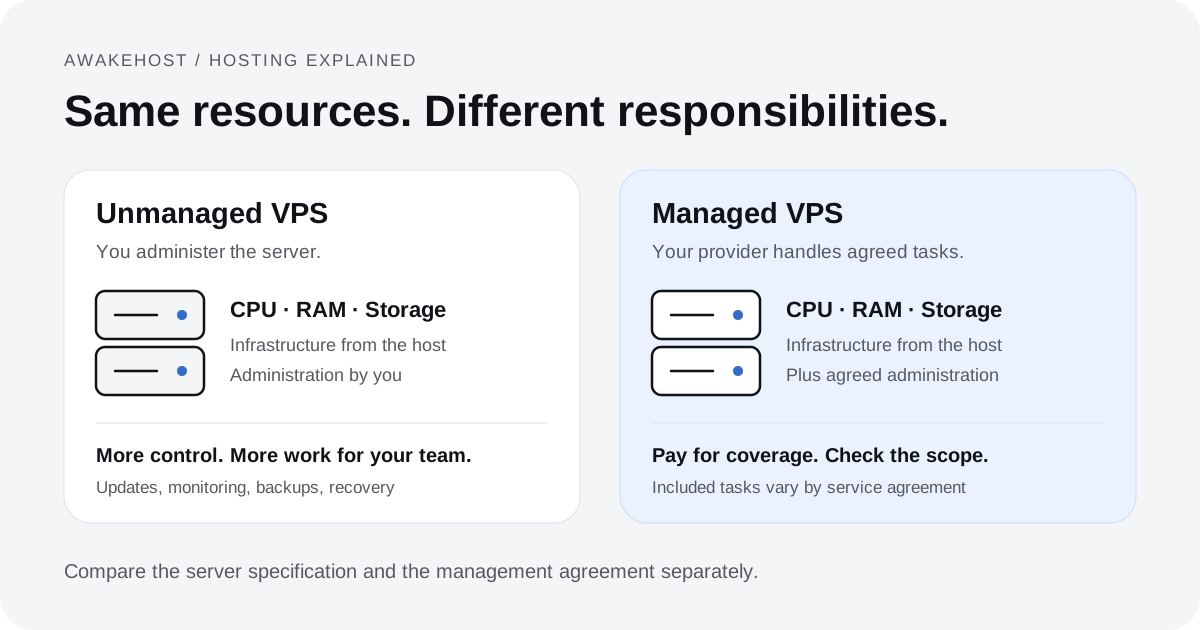
The same server resources can come with different costs. Compare management coverage, support, backups, control, and the work you handle yourself.
AwakeHost Team · 17 min readRead article
Practical guides, fresh perspectives, and a closer look at the technology behind your next project.
The same server resources can come with different costs. Compare management coverage, support, backups, control, and the work you handle yourself.
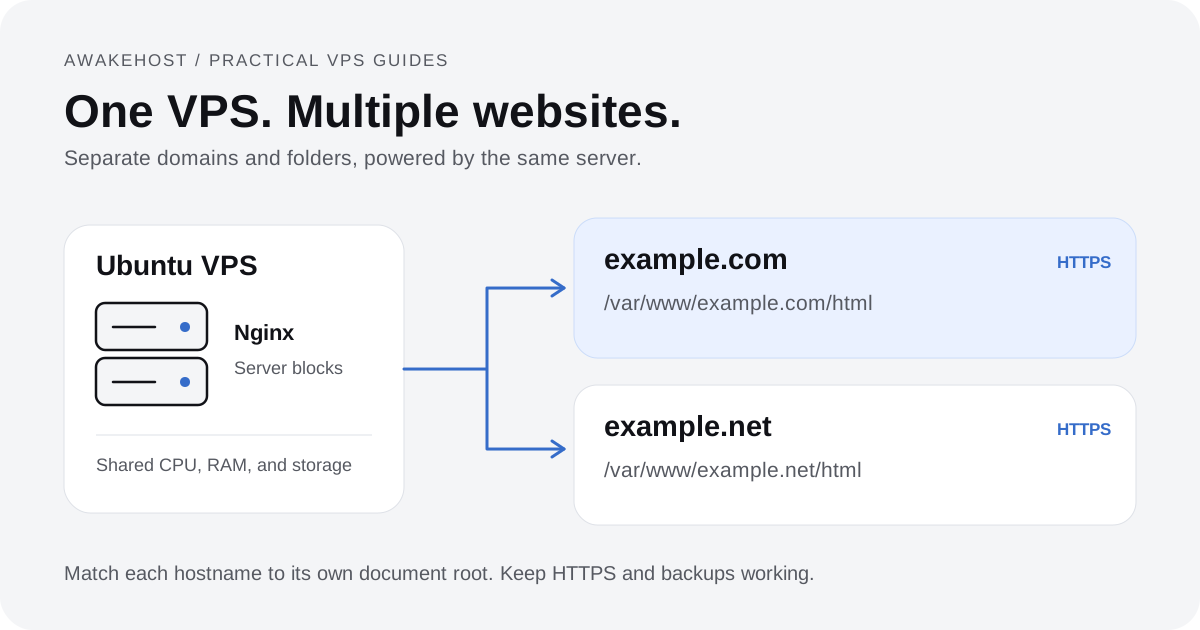
Set up two websites on one Ubuntu VPS with Nginx server blocks, separate directories, DNS records, and free HTTPS certificates.
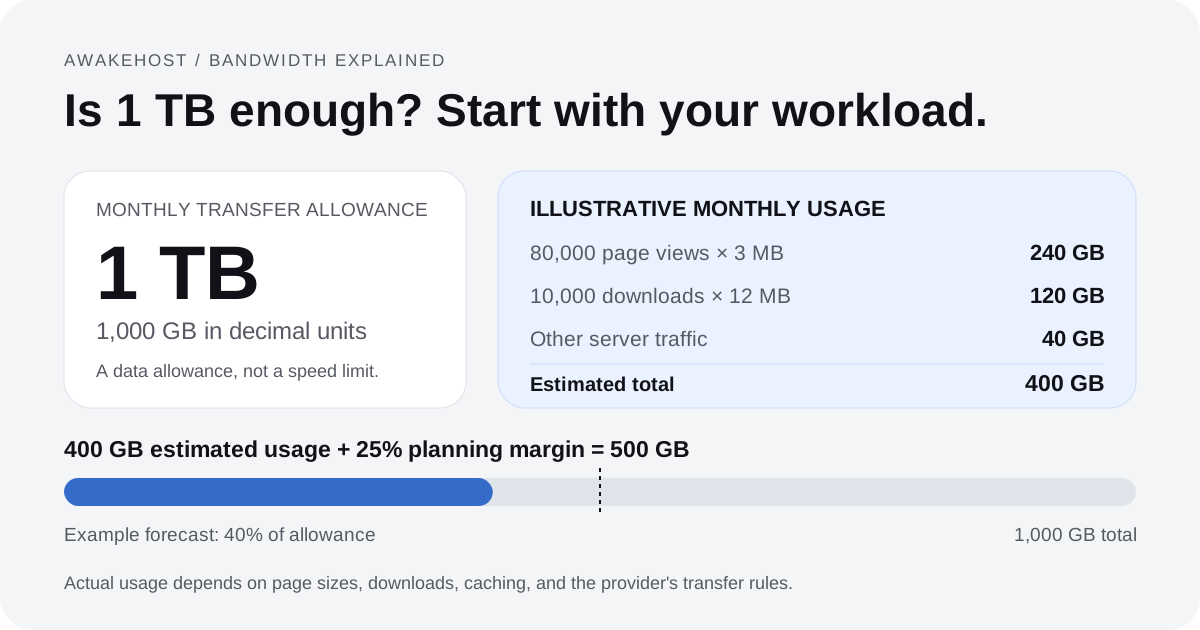
Estimate monthly transfer from page views, downloads, and other traffic. Learn how 1 TB differs from network speed and when a CDN can help.
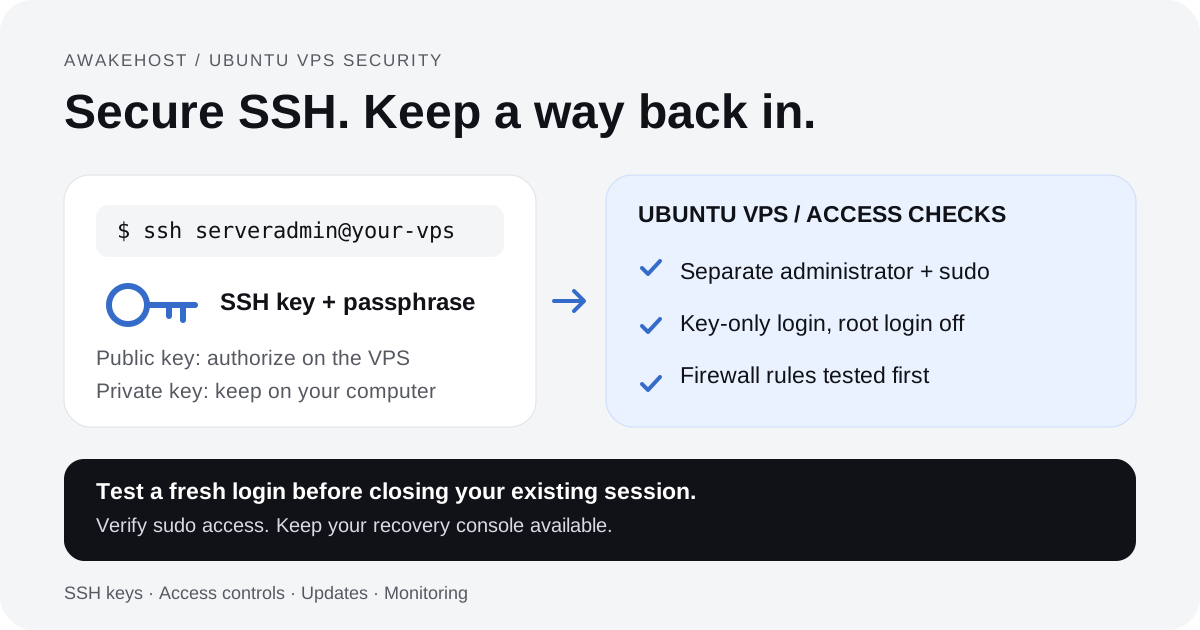
Secure Ubuntu VPS access with SSH keys, a separate sudo account, and firewall rules. Follow a tested sequence that keeps a recovery route available.
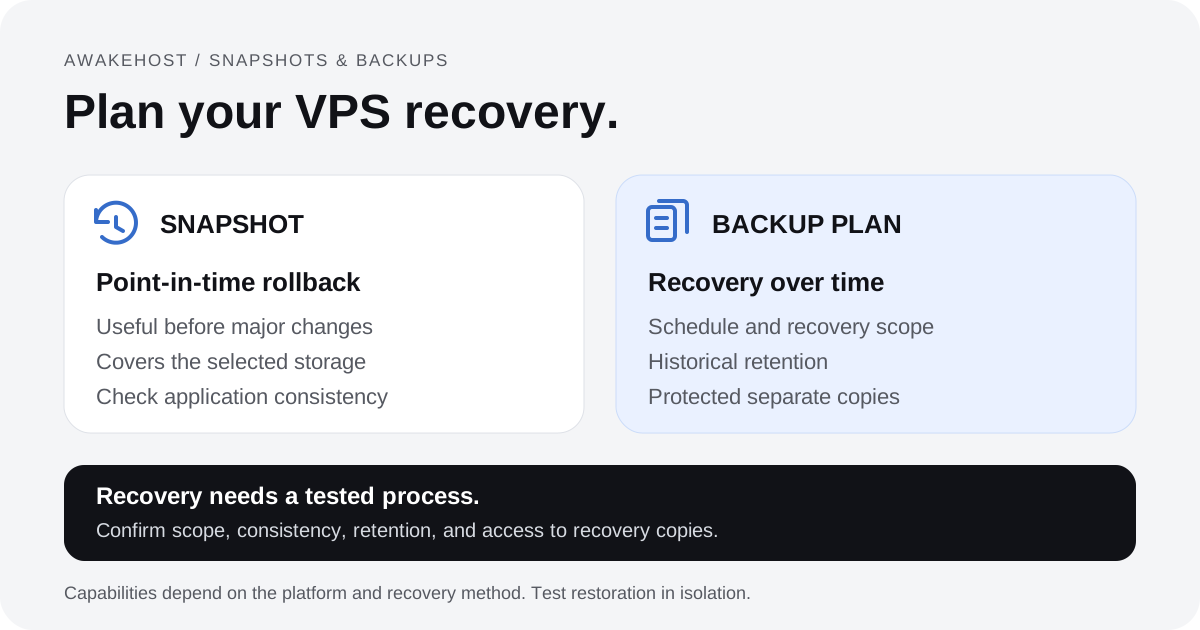
Compare snapshots and backups for rollback, file recovery, retention, and account security. Plan protected recovery copies and test that they work.
How to Choose the Best Singapore VPS Hosting for Your Website Choosing the right VPS location is one of the most important decisions you make before hosting a website, application, online store, VPN, or remote desktop server. Many people compare only the price, RAM, CPU, and storage, but the server location can affect how fast
Best Use Cases for Chile VPS Hosting A VPS is not only for developers or large companies. Many website owners, agencies, online businesses, and remote teams use VPS hosting because they need more control than shared hosting can provide. If your audience, customers, team, or project is connected to Chile, a Chile VPS can be
Singapore VPS Use Cases: What It’s Best For A Singapore VPS is useful when your website, app, or online tool needs a server location close to Singapore and Southeast Asia. It gives you more control than shared hosting, more flexibility than a fixed hosting plan, and a better regional fit for users in countries such
Modern DNS Hosting Features Every Website Needs DNS hosting is one of those things most website owners ignore until something breaks. Your domain may look simple from the outside, but behind every website, email inbox, SSL certificate, CDN, and server connection, DNS is quietly doing the routing work. It tells browsers where your website lives,
What Is Windows Subsystem for Linux? Beginner Guide to WSL for VPS Users Windows Subsystem for Linux, commonly known as WSL, is one of the easiest ways for Windows users to start working with Linux commands, server tools, and VPS environments without installing a separate Linux operating system. For developers, website owners, students, and VPS
Best Use Cases for Sweden VPS Hosting A VPS gives you more control than shared hosting and more flexibility than a fixed hosting package. But the location of your VPS also matters. If your users, customers, team, or project are connected to Sweden, Scandinavia, the Nordic region, or Northern Europe, a Sweden VPS can be
How to Choose the Best Sweden VPS Hosting for Your Website Choosing a VPS location should not be random. The country you choose can affect website speed, user experience, remote access performance, and how well your server fits your project. If your website, application, VPN, or remote desktop workload serves users in Sweden, the Nordic
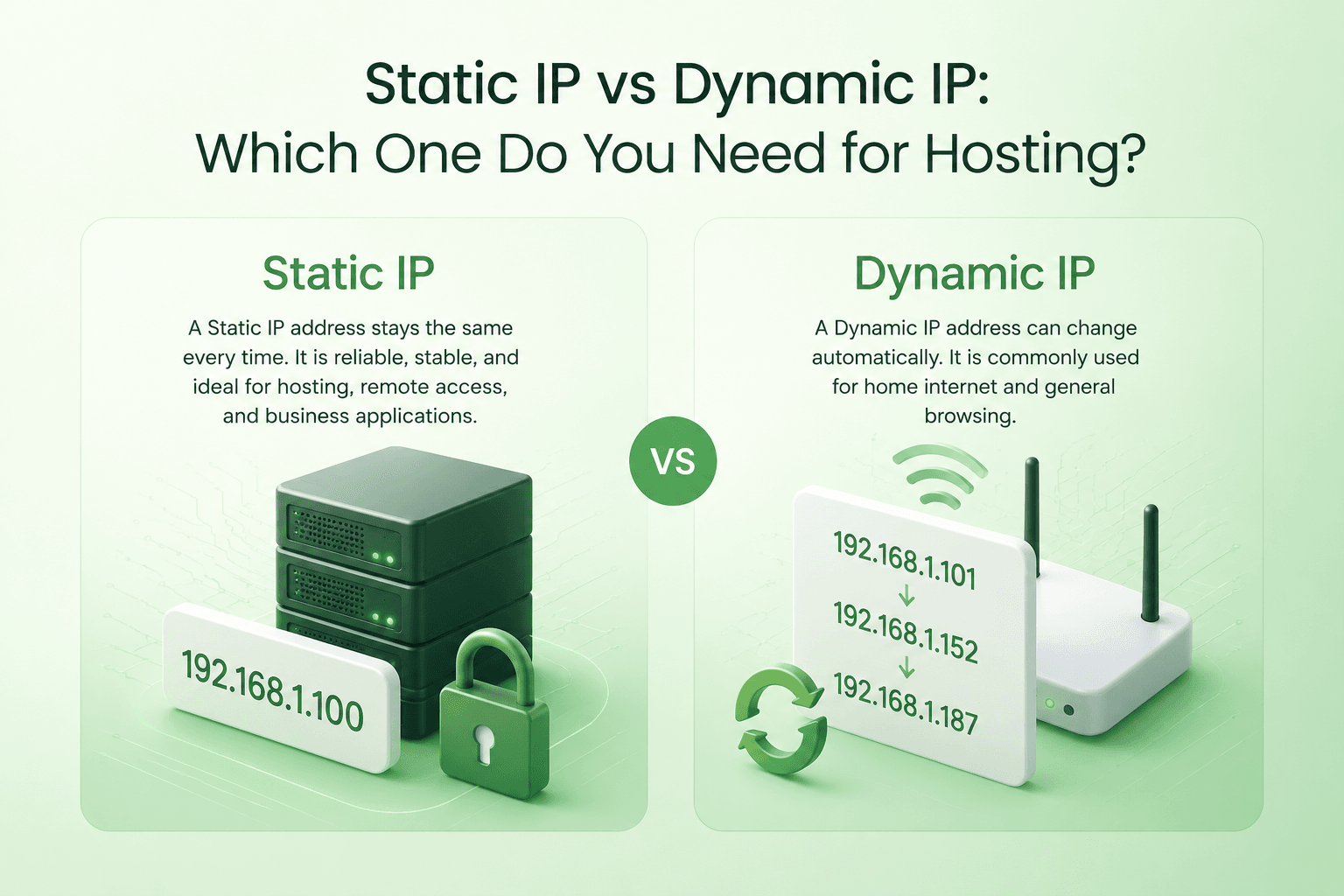
Static IP vs Dynamic IP: Which One Do You Need for Hosting? Every device connected to the internet uses an IP address. Your website, VPS, home router, office network, email server, and game server all depend on IP addresses to send and receive data. But not every IP address works the same way. The two
5XX Server Errors Explained: Causes, Fixes, and Prevention for Business Websites A 5XX error means your website server failed to complete a valid request. The visitor did not necessarily enter a wrong URL, and their browser is usually not the problem. The issue is normally somewhere inside the hosting stack, application code, database, proxy layer,
How to Choose the Best Chile VPS Hosting for Your Website Choosing a VPS location is not only about picking the cheapest server. The server location affects speed, response time, control, reliability, and how comfortable your users feel when visiting your website or using your application. If your audience is in Chile, or you serve
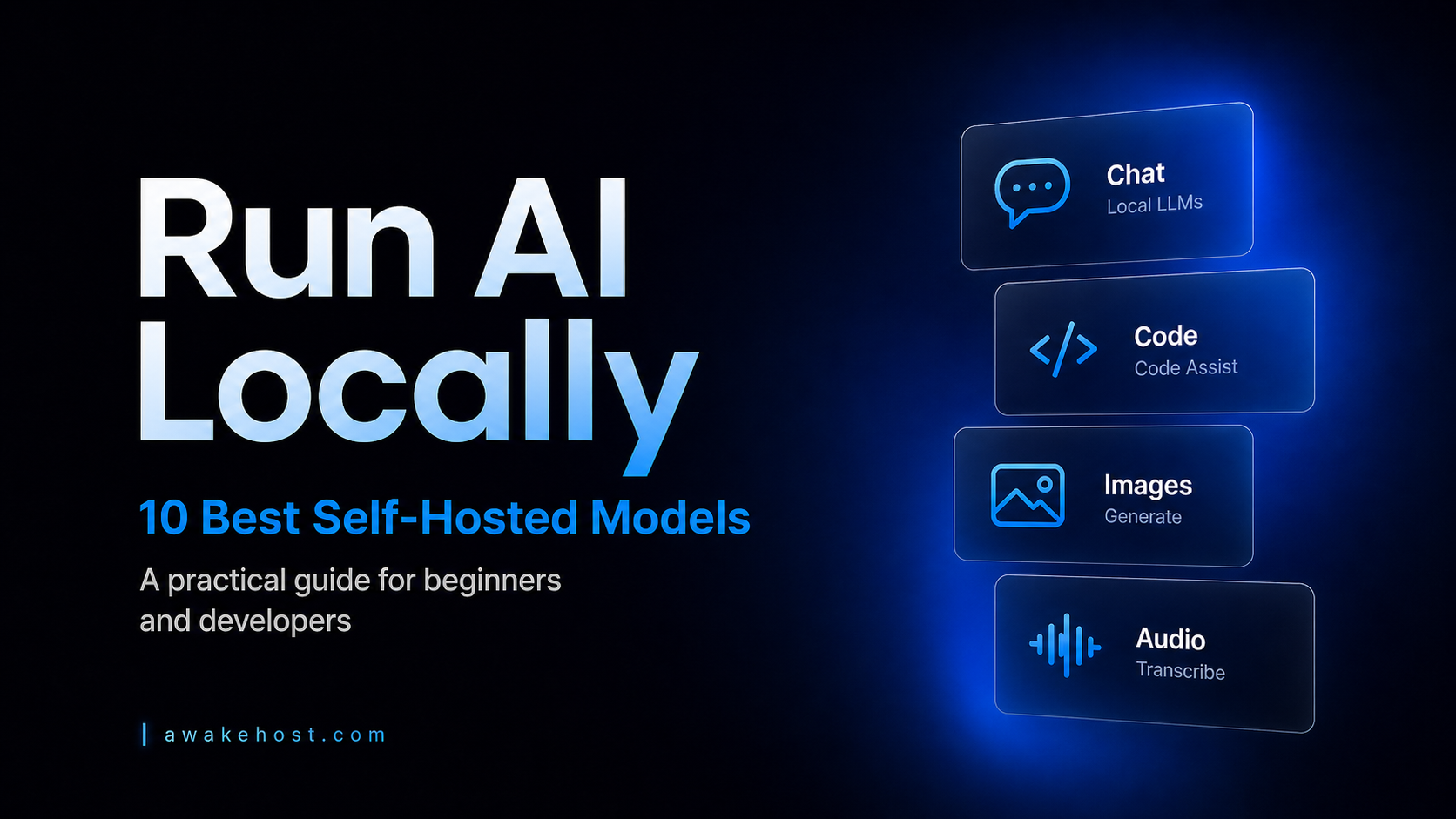
Run AI at Home: 10 Best Self-Hosted Models TL;DR Self-hosted AI models let you run powerful AI tools locally on your own laptop, desktop, or home server without depending completely on the cloud. For most beginners, Llama 3.1 8B, Qwen3 8B, and Gemma 3 4B are the best starting points because they balance performance, ease
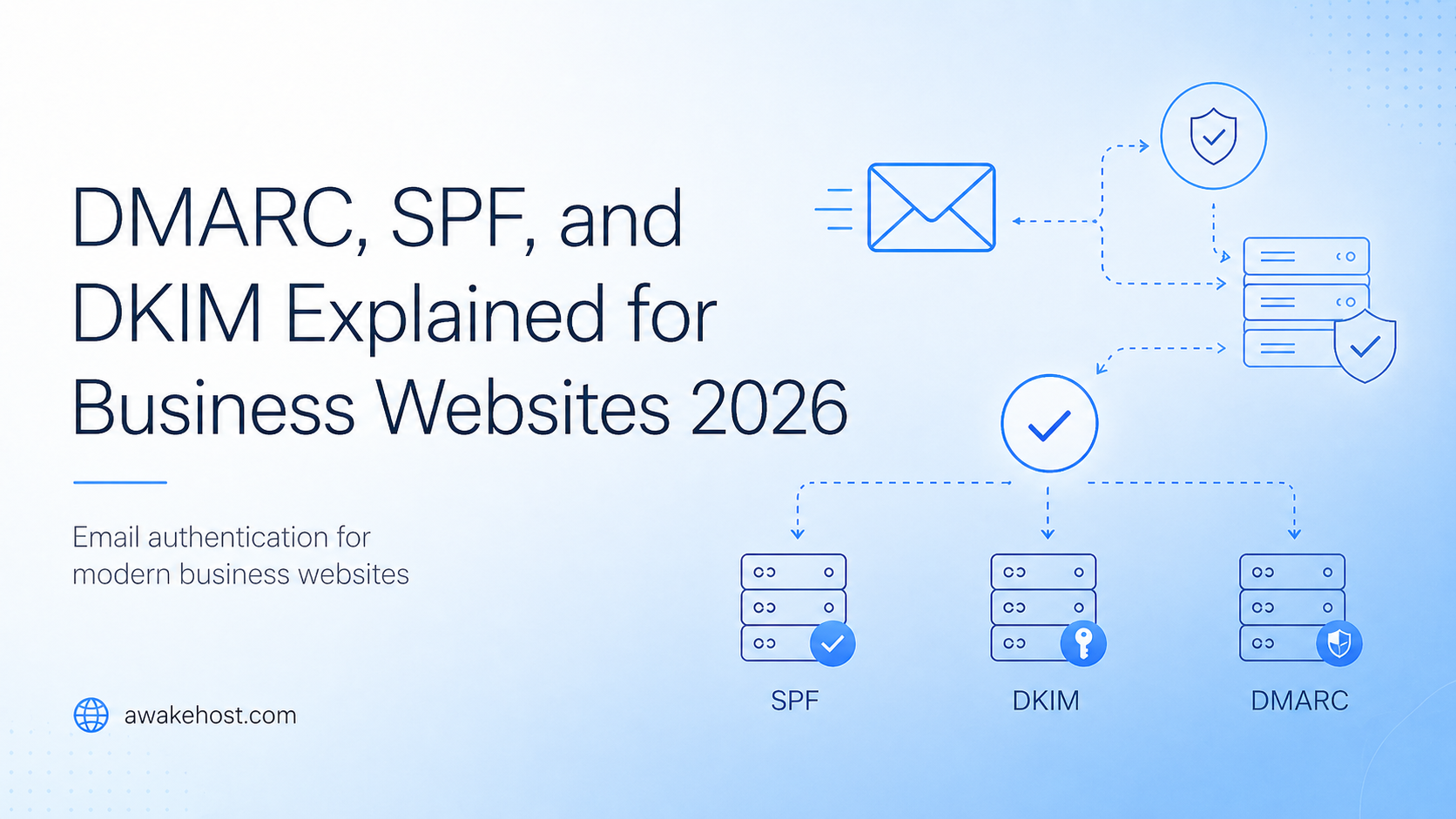
DMARC, SPF, and DKIM Explained for Business Websites in 2026 TL;DR SPF, DKIM, and DMARC are email authentication records that help protect your business domain from spoofing, phishing, and delivery problems. They tell inbox providers whether an email claiming to come from your domain is genuine or suspicious. SPF confirms which servers are allowed to
WordPress 7.0 Readiness Checklist for Shared Hosting and VPS Users WordPress 7.0 is the kind of release that deserves preparation, not blind updating. The original April 9, 2026 release target slipped, and the WordPress project extended the release cycle to address testing feedback around real-time collaboration. That alone is a strong signal for site owners:
Linux Gaming Compatibility in 2026: How Proton Changed Desktop Linux Adoption TL;DR Gaming was once one of the strongest criticisms against Linux on the desktop because many popular PC games were built for Windows first and never received native Linux ports. In 2026, that criticism still matters, but the situation has changed. Valve’s Proton compatibility
Windows Subsystem for Linux: 5 Pro Tips for DevOps Speed Most developers treat Windows Subsystem for Linux (WSL) as a simple terminal emulator. Then, they wonder why their Node.js build times double or why Docker Desktop consumes 12GB of RAM on idle. They fail because they treat the Linux kernel like a guest app rather
Object caching can reduce repeated database work. Learn how it works and measure the change with seven clear server performance metrics.
DNS Server Not Responding: Destroy This Network Nightmare 2026 Your browser stalls. The status bar mocks you. You see “Resolving host” indefinitely. Suddenly, your site’s Time to First Byte (TTFB) spikes. The local resolver failed. You face a DNS Server Not Responding error. Your workflow completely stops. Fix this now. TL;DR: Quick Fixes Why Does
OpenClaw VPS Sizing: The Definitive CPU, RAM & Storage Calculator Quick Verdict: The Bottom Line Up Front If you are running OpenClaw for simple webhook routing (under 5 active workflows), a 2 vCPU / 4GB RAM instance is your baseline to account for Docker overhead and baseline Java/Node runtime requirements. However, if you are doing
No articles match your search. Try another topic.
Explore hosting for your website, application, or next experiment.